
Some bite and jaw problems are much easier to guide while a child is still growing than to correct years later. The American Association of Orthodontists (AAO) recommends that every child have a first orthodontic check by age 7. Our pediatric dentists in San Antonio make that check part of your child’s regular visits, so you can learn early whether anything needs attention, and often, that nothing does yet.
Why age 7?
By around age 7, most children have a mix of baby teeth and their first permanent molars and front teeth. That mix gives us a useful view of how the jaws are growing and how the adult teeth are lining up. Spotting a concern at this stage often means simpler options, because we can work with your child’s growth instead of against it.
An early evaluation doesn’t mean early braces. For most children, the result is a plan to keep watching at checkups.
What we look for during an early orthodontic evaluation
- Crowding, or too little room for the adult teeth
- Crossbites, overbites, and underbites
- A narrow upper jaw
- Teeth coming in out of order, or baby teeth lost too early
- Thumb sucking, pacifier, or tongue-thrusting habits that are shaping the bite
- Signs such as mouth breathing, which can relate to how the jaws are developing
Our airway-focused approach means we look at how your child breathes as well as how the teeth fit together. We explain what we notice in plain terms. When a concern goes beyond the teeth and jaws, we’ll talk with you about the right next step, which may include a visit with your child’s pediatrician or another specialist.
Early treatment options
Not every child needs early treatment. When it helps, options may include:
- Palatal Expanders to widen a narrow upper jaw and make room for adult teeth
- Habit Appliances to help a child move past thumb sucking or tongue thrusting
- Space Maintainers to hold room for an adult tooth when a baby tooth is lost early
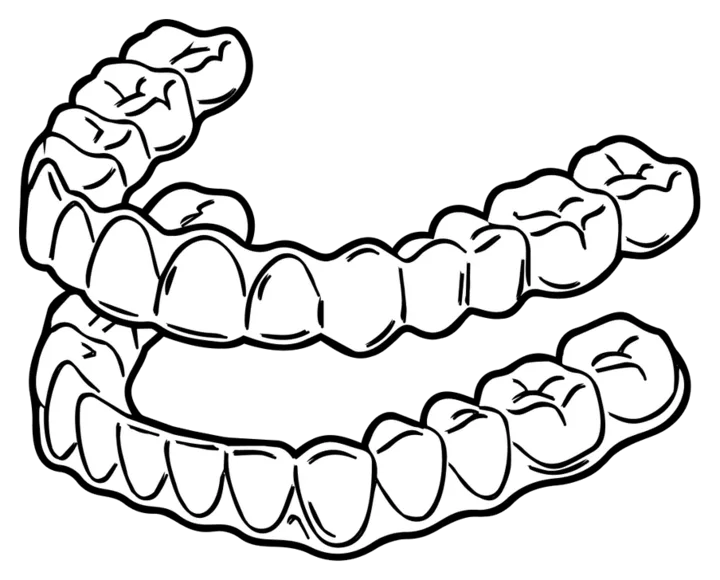
- Invisalign® clear aligners, including options designed for younger children, when they are a good fit
Early treatment, sometimes called Phase 1, aims to guide growth and may shorten or simplify later treatment. It doesn’t guarantee that a child won’t need braces or aligners as a teen, and we’ll be honest with you about what to expect.
How an evaluation fits into your child’s visit
For most families, there’s nothing extra to schedule. We check your child’s bite and jaw development at routine Exams & Cleanings, and we may suggest Digital X-Rays or photos when we need a closer look. If we recommend treatment, we’ll take time to go over the reasons, the timing, and the choices before you decide anything.
Early orthodontics FAQs
At what age should my child see someone about orthodontics?
The AAO recommends a first orthodontic check by age 7. Earlier is fine if you notice a concern, such as a crossbite or teeth that don’t meet.
My child still has baby teeth. Isn’t it too soon to worry?
Many important clues show up while baby teeth are still present. An early check is about watching growth, not rushing into treatment.
Will my child need braces later anyway?
Sometimes. Early treatment can make later treatment shorter or simpler, but every child grows differently. We’ll keep you informed as your child’s bite develops.
Is an early orthodontic evaluation covered by insurance?
It is usually done during a regular checkup, which many PPO plans cover as preventive care. If we recommend treatment, we’ll go over what your plan covers first.
Related: Palatal Expanders, Habit Appliances, Space Maintainers, Invisalign®