
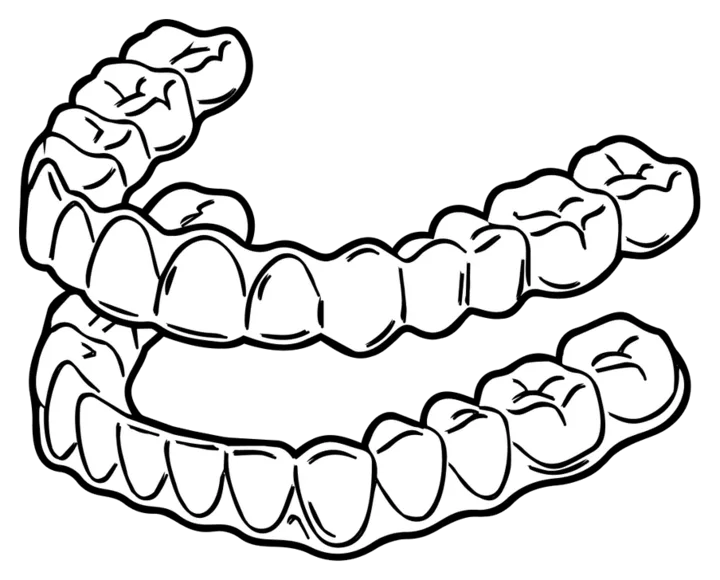
Thumb sucking and pacifiers are a normal source of comfort for babies and toddlers. When a habit continues as the permanent teeth start coming in, though, it can push teeth out of position and affect how the jaws grow. Our pediatric dentists in San Antonio help families break thumb-sucking and tongue-thrusting habits, starting with encouragement at home and, when that isn’t enough, a custom habit appliance.
When does thumb sucking become a dental concern?
Many children stop sucking a thumb, finger, or pacifier on their own by age 3 or 4. The American Academy of Pediatric Dentistry (AAPD) encourages helping children move past these habits before the permanent teeth arrive. A habit that goes on longer can lead to:
- Front teeth that flare forward
- An open bite, where the front teeth don’t meet when your child bites down
- A narrower upper jaw and a crossbite
- Changes in how the tongue rests and moves
A tongue thrust, where the tongue presses forward against the teeth during swallowing or speech, can cause similar changes. Because tongue posture also plays a part in breathing and jaw growth, we look at these habits alongside your child’s breathing and growth.
Try encouragement first
Most children respond well to support at home. Some ideas that help:
- Praise your child when they aren’t sucking their thumb, rather than scolding when they are.
- Notice when the habit happens, such as at bedtime or while watching TV, and offer something else for their hands.
- Use a sticker chart or small reward for habit-free days or nights.
- Let your child be part of the plan. Older kids often do best when the goal is their own.
We’re also happy to talk with your child about it at their checkup. Sometimes it sinks in better coming from the dentist.
How a habit appliance works
When a habit hangs on, a habit appliance can help. It’s a small, custom-made device attached to the back teeth, with a part that sits behind the upper front teeth. It doesn’t stop your child from putting a thumb in the mouth; it makes sucking or thrusting less satisfying, so the habit fades. Some appliances also remind the tongue where to rest.
Getting a habit appliance takes two short visits: one to take impressions or a digital scan, and one to fit it. There’s no numbing needed.
Living with a habit appliance
Most children adjust within a few days. Speech may sound a little different and eating may feel odd at first, but both improve quickly. To keep the appliance in good shape:
- Avoid sticky and very hard foods, like caramel, gum, and ice.
- Brush around the appliance carefully every day.
- Call us if it feels loose or something pokes.
Habit appliance FAQs
At what age should my child stop sucking their thumb?
Ideally before the permanent front teeth come in, usually around age 6. If your child is still sucking a thumb past age 3 or 4, it’s a good time to start encouraging them to stop.
Is a habit appliance a punishment?
Not at all. We present it as a helper, not a penalty, and most children feel proud once the habit is gone.
How long does a habit appliance stay in?
It stays in long enough for the habit to break and for the new routine to stick, often several months.
Related: Early Orthodontic Evaluations, Palatal Expanders, Infant Dentistry
Habit Appliances at our offices
Questions about cost? See our insurance and financing options.